Bone Applique Design: A Designer's Review
When a small boutique brand asked me to evaluate the Bone Applique Design for their limited sweatshirt drop, I approached the file with both curiosity and a healthy dose of professional skepticism. Applique embroidery can elevate a garment or overwhelm it, depending on how the design interacts with fabric, thread, and placement. After stitching out a sample on a neutral-toned hoodie and testing it across several fabric textures, I am ready to share my honest assessment. This is not a generic product description. This is a real designer's walkthrough of what works, what needs attention, and how this machine embroidery design can perform in a commercial apparel setting.
First Impressions and Stitching Personality
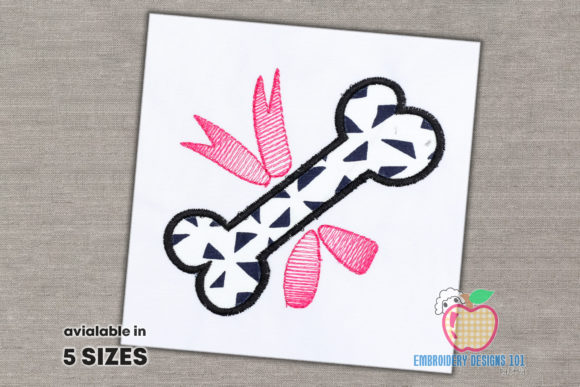
The Bone Applique Design reads as playful but not childish, rustic without being rough. The bone shape carries a natural symmetry that feels satisfying to the eye, and the applique construction gives it a layered, dimensional quality that standard satin stitch outlines cannot replicate. On a finished product, the design sits confidently on the fabric without looking busy. The stitch path follows the bone contours cleanly, and the color change segmentation is logical. For those producing custom apparel for dog lovers or outdoor lifestyle brands, this design strikes a balance between minimal charm and decorative presence.
The mood is playful and warm, with a touch of handmade authenticity. It leans casual, but the applique technique adds enough texture to feel intentional and premium. On an oversized hoodie in a pastel shade, the design softens the garment. On a dark fabric sweatshirt, it becomes more graphic and bold. The same embroidery file shifts personality depending on your fabric choice, which is a sign of strong foundational geometry.
Sweatshirt Embroidery Placement and Scale Considerations
For the boutique brand's collection, we tested the Bone Applique Design in three placements: left chest, center back yoke, and a small sleeve accent near the cuff.
- Left chest placement works best at a moderate scale. The bone shape fills the chest area without overpowering the wearer. It leaves room for a small brand mark above or below if desired.
- Center back placement gives the design room to breathe. On a neutral sweatshirt, the back position turns the bone into a statement piece, especially during product photography and printable mockup presentations for Etsy listings.
- Sleeve accent is surprisingly effective. A smaller version of the design near the cuff adds a subtle, collectible detail that repeat buyers notice. For hoodie design collections, sleeve embroidery signals attention to craft.
If you are an Etsy seller or small shop product creator, offering multiple placement options with the same digital embroidery file can increase perceived value. Buyers appreciate versatility, especially when they see how a single design transforms across garment styles.
Thread Colors, Fabric Texture, and Contrast Decisions
The Bone Applique Design allows for flexibility in thread colors. The applique base fabric can be a contrasting tone, while the stitching details overlay in a complementary shade. For our sample, we tested a cream bone on a charcoal sweatshirt and a dark bone on a dusty rose hoodie. Both outcomes were strong, but the stitch density required attention in the darker fabric scenario. Dark base fabrics with light thread can cause the design to feel stark if the underlay is not properly adjusted. Using a medium-weight stabilizer and a sharp needle helped maintain crisp edges.
Fabric texture matters significantly with applique. On a smooth French terry or cotton jersey, the design registers cleanly. On a thick fleece or heavy knit, the applique layers can shift if the hoop size is not matched to the design dimensions. I recommend testing on your exact garment fabric before moving to production. For commercial embroidery runs, consistency in fabric texture across units is essential. If your blanks vary in weight, adjust your stabilizer choice accordingly.
Technical Considerations for Production
Every machine embroidery design demands a technical check before批量 production. The Bone Applique Design file we received came with multiple embroidery file formats, which is helpful for those switching between machine brands. The color change steps were clearly separated, and the applique placement stitch was easy to read. That said, I recommend confirming the following before stitching your first sale unit:
- Stitch density - Ensure the fill areas are not overly dense, especially if you are stitching on thick or stretchy fabric. High density can cause fabric puckering or needle breaks.
- Hoop size - Verify the design dimensions fit your chosen hoop. If you plan to use it as a sleeve accent, smaller hoops may be required. Always test fit on the actual garment area.
- Underlay - Applique designs benefit from a stable underlay. If your file lacks edge run underlay, consider adding one manually to prevent shifting during the trim sequence.
- Wash testing - Before listing the finished product as a handmade product, wash a sample. Applique edges can fray or lift over time if the tackdown stitch is too narrow. We washed our sample three times and saw minimal wear, but I recommend a medium-width tackdown for commercial durability.
For design assets that will be sold as digital embroidery file downloads, these technical notes are valuable for your customers. Many Etsy sellers and crafters appreciate when a designer provides wash and care guidance alongside the file.
Product Value and Brand Identity Impact
The Bone Applique Design has the potential to strengthen a boutique brand's visual recognition. In a market saturated with printed graphics, applique embroidery signals a higher level of care and production effort. Customers perceive applique as more durable and more artisanal than standard embroidery alone. For a limited sweatshirt drop, this design can support a premium price point, especially when paired with thoughtful thread colors and quality garment blanks.
Buyer trust increases when the finished product looks cohesive. The bone motif is universally understood among dog owners and outdoor enthusiasts. It does not rely on text or trends, which gives it longer shelf life across seasons. For apparel decorators and custom apparel businesses, this design works well for both dog-specific collections and general nature-inspired lines. The applique technique also photographs well for product photography and social media content. The layered texture catches light differently than flat embroidery, which can improve click-through rates on Etsy listings and printable mockup presentations.
However, the design's success depends on execution. A rushed applique with uneven fabric cuts or loose tackdown stitches will undermine the handmade product feel. Take the extra time to trim the applique fabric cleanly and press the base layer before stitching. Small details in production translate directly to customer satisfaction and repeat orders.
Final Thoughts for Boutique Brands and Digital Sellers
The Bone Applique Design is a solid addition to a machine embroidery design library for anyone serving the dogs and outdoor lifestyle market. It offers versatility across placement, fabric type, and garment style. For small clothing brands, Etsy sellers, and embroidery shops, this design can support both low-volume handmade runs and larger commercial embroidery production with proper preparation.
I recommend ordering a test stitch-out before committing to a full collection. Confirm your hoop size, thread palette, and fabric choice against the file specifications. If everything aligns, the Bone Applique Design will serve as a reliable, visually engaging piece that customers will notice, remember, and share. Whether you are building a cohesive boutique brand identity or adding fresh design assets to your digital shop, this design delivers on both charm and commercial viability.