Close Up of Ant Bluework Design Review
First Impressions and Craft Fair Appeal
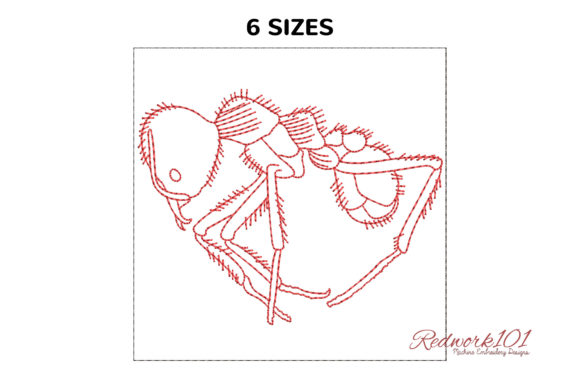
When I first previewed the Close Up of Ant Bluework as a machine embroidery design, my immediate reaction was that this is a clean, minimal, and slightly rustic pattern. The bluework technique gives it a traditional hand-stitched feel, which often reads as premium and thoughtful at a craft fair booth. The close-up view of the ant is bold enough to catch a browser’s eye from a few steps away, yet the simple thread palette keeps it from feeling messy or overwhelming. This is the kind of handmade product that invites a second look—customers stop, tilt their head, and then smile. That engagement is exactly what we want when we are selling finished product at a weekend market.
The optional Box Stitch mentioned in the description is a smart finishing detail. If you choose to include it, the outer box can act as a natural frame that makes the ant pop, especially on lighter fabrics. Because the box color is different from the main design in most cases, you have flexibility to coordinate with your thread colors or even match it to a brand color for brand consistency. If you skip the box, the design stands alone as a smaller accent motif. That versatility is a real asset for an Etsy seller or small shop product line.
Tote Bags and Market Bags
On a tote bag design, the Close Up of Ant Bluework works beautifully as a front-center focal piece. The bluework style contrasts well with natural cotton or canvas, and the ant’s antennae and legs create a sense of movement that feels alive on a bag. Because the design is not extremely tall or wide, it leaves room for your shop logo or an additional small motif. For craft fair product tables, a row of tote bags with this embroidery catches the eye without looking busy. I would recommend a medium hoop size—something in the 4x4 to 5x7 range—to keep the ant large enough to read but small enough to leave good bag space for carrying produce or market finds.
Aprons and Kitchen Towels
Apron embroidery and tea towel embroidery are natural fits for this design. The single-color bluework feels at home in a farmhouse or rustic kitchen booth. On a crisp white towel, the ant becomes a whimsical conversation starter. On an apron pocket, it adds personality without overpowering the garment. The stitch density is light enough that the design does not weigh down thin tea towel fabric. I would suggest testing on a single towel first to ensure the fabric does not bunch under the stitching, but the open areas in the ant’s form allow it to land well on most kitchen linens.
Embroidered Patches and Caps
As an embroidered patch on its own, this design is a strong seller. Patches are low-cost to produce, easy to stock, and popular with craft fair shoppers who want a quick buy. The Close Up of Ant Bluework has enough detail to look handmade but not so many tiny stitches that a patch loses shape. For caps, note that curved surfaces can distort long legs or antennae. I would reduce the design size slightly to fit the cap front and use a firm stabilizer to keep the stitches crisp. A small insect motif on a cap feels clever and modern—perfect for nature-lovers and outdoor enthusiasts browsing your booth.
Pillow Covers and Fabric Pouches
A decorative pillow cover with this machine embroidery design adds a subtle handmade touch to a sofa or bed. The bluework tone pairs well with neutral-toned linen or cotton. For fabric pouches or small zip bags, the ant can function as a tiny accent near the zipper line or centered on the front. Because the design reads well at small sizes, it remains clear even when reduced. This is important for digital sellers who offer design assets or printable mockups—the ant holds its detail in both real fabric and on-screen previews.
Practical Selling and Production Strengths
The Close Up of Ant Bluework is easy to understand at a glance. A shopper does not need to study the design to see it is an ant. That immediate recognition is crucial for impulse sales at a craft fair. It photographs well for Etsy listings because the blue thread stands out against light fabric without relying on shiny metallic or complex color changes. One or two thread colors keep production efficient for batch runs. If you are preparing for a weekend market, you can stitch several towels or bags in one afternoon without constantly switching spools.
For batch production, the design feels repeatable. The stitch density is moderate—not too dense to slow down your machine, but enough substance to feel premium. I would recommend testing a sample on your specific fabric to confirm the spacing is comfortable. The optional box stitch adds a frame that can unify multiple items in a product line. For example, you could use the box on tote bags and skip it on patches, giving your booth visual variety while maintaining a cohesive theme.
Careful Stitching and Fabric Notes
No design is perfect for every surface. The Close Up of Ant Bluework has a few areas that require attention. The antennae and legs contain fine lines that could lose clarity on heavy textured fabrics like thick cotton towels or linen. If you stitch on textured towels, use a medium-weight cutaway stabilizer and slow your machine speed slightly. The thread may sink into deep weaves if the stabilizer is too light. Similarly, on dark fabric, blue thread might not provide enough contrast. I would recommend testing on a scrap of your intended fabric first, and if the ant blends in, switch to a white or bright blue thread for visibility.
For those considering the Box Stitch, note that the outer box adds stitch count and density. On small lettering or tiny patches, the box might crowd the ant. The description notes you can skip the box, which I strongly advise for smaller projects. Also, on curved cap surfaces, the box can pucker if the cap is not hooped correctly. Always test the design on a practice cap before committing to a batch. Check the hoop size required—the design likely fits a standard 4x4 or 5x7 hoop, but confirm this in the digital embroidery file specs provided by the designer.
Stitch density is moderate, but any dense stitch areas in the ant’s body section should be monitored. If the design feels too compact, reduce the density in your software or enlarge the design slightly to spread the stitches. Do not skip stabilizer—use at least one layer of medium-weight cutaway for most woven fabrics. For knits or caps, use a tear-away with a topper to prevent stitches from burying into the pile.
Designer Notes for Booth Success
I always advise fellow embroidery business owners to produce at least one real mockup before listing a design for sale. Stitch the Close Up of Ant Bluework on the exact fabric you plan to use for your handmade products. Hold it in your hand, drape it over a booth table, and photograph it in natural light. This mockup will tell you if the ant reads clearly, if the blue thread matches your booth aesthetic, and if the size feels appropriate for your target customer. Use that mockup to create a printable mockup for your Etsy seller shop or social media.
Before stitching for sale, confirm the commercial embroidery license terms. The embroidery file you purchase or download may have restrictions on selling finished product from a craft fair booth. Most digital files allow commercial use, but double-check the license to stay compliant. This is a quick step that protects your business and the original designer.
When setting up your craft fair product display, group items featuring this ant design together. A tote bag next to a tea towel and a small pouch creates a visual collection that encourages shoppers to buy multiple pieces. The bluework style reads as cohesive without being matchy-matchy. If you are a boutique maker, consider using the ant on a limited run of items—its novelty can drive urgency. For Cricut and embroidery crafters who sell digital embroidery file bundles, the Close Up of Ant Bluework is a strong addition to a bugs-themed collection or a standalone nature set.
Final Production Checklist
- Test the design on scrap fabric matching your final product weight.
- Verify thread contrast against the fabric color you intend to use.
- Review stitch spacing, especially in antennae and legs, to avoid thread breaks.
- Confirm the hoop size required before setting up your production line.
- Inspect stitch density on a test piece; adjust if the fabric puckers.
- Use the correct stabilizer for your fabric type (cutaway for wovens, tear-away for stable fabrics).
- Create at least one real mockup for display and photography.
- Compare the design on two or three fabric colors to finalize your best seller.
- Check and honor the commercial license for the machine embroidery design.
The Close Up of Ant Bluework brings a refreshing simplicity to a craft fair product lineup. It is not overly cute or childish, so it appeals to adults who appreciate nature and handcrafted detail. The bluework palette keeps production smooth and booth displays tidy. With careful stitching and thoughtful product pairings, this Bugs and Embroidery design has real potential to become a steady seller for handmade market and online shops alike.