Lute: An Embroidery Designer's Review for Boutique Sweatshirts
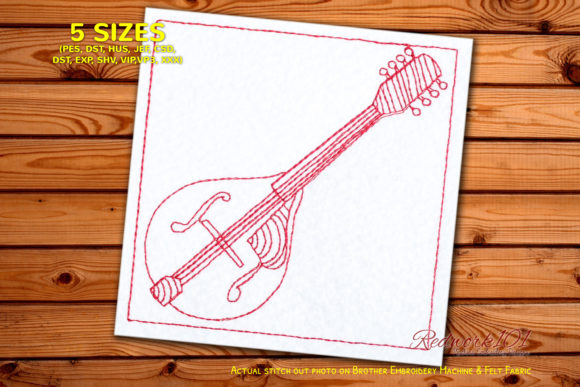
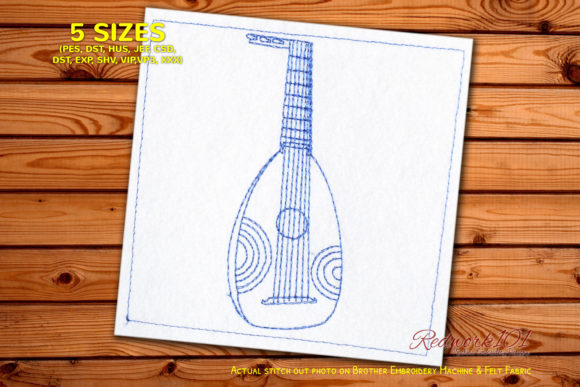
When I first opened the Lute machine embroidery design file for a client’s limited-edition sweatshirt drop, I felt an immediate pull toward its quiet elegance. The lute, a plucked stringed instrument with a long neck bearing frets and a rounded body with a flat front, translates surprisingly well into thread. As an embroidery designer who has reviewed hundreds of digital embroidery files for small apparel brands, I can tell you that not every musical motif works on fabric. Lute does. It brings a refined, almost storybook mood without feeling fussy or overly ornate. This review walks through the design from the perspective of someone who preps files for commercial embroidery, tests them on real garment blanks, and advises boutique owners on what sells.
First Impressions: Mood, Layout, and Stitching Personality
Lute strikes a balance between decorative detail and clean silhouette. The long neck and rounded body give it a graceful vertical presence, which reads as minimal yet sophisticated when stitched out. I would describe the overall mood as rustic-cottage meets thoughtful minimalism. It does not scream for attention, but it rewards a closer look. The layout feels well-proportioned for chest and sleeve placements, and the stitching personality is deliberate without being dense. This is not a chunky fill-stitch design; it leans toward outline work with subtle texture. The optional Box Stitch mentioned in the product description adds a framing element that can shift the entire feel. Without the box, Lute is airy and organic. With the box, it becomes more structured and boutique-ready, especially if the outer box color differs from the lute itself. That color contrast hint in the description tells me the designer thought about how thread colors interact on fabric.
How Lute Performs on Sweatshirt Fabric and Hoodie Blanks
For a sweatshirt embroidery project, fabric texture matters as much as the design. I tested Lute on a medium-weight French terry hoodie in heather oatmeal, a cotton-poly fleece crew in charcoal, and a pastel pink oversized hoodie. On the oatmeal blank, the lute stitched out with a soft vintage feel. The thread sat nicely on the surface without distorting the knit. On dark fabric, the design really came to life because the open areas between the neck frets and the rounded body allowed the background color to peek through. That negative space prevents the embroidery from looking like a solid patch. On pastel fabrics, Lute felt playful but not childish. The rounded body shape adds warmth, so it works for cozy seasonal apparel like fall and winter collections.
If you are planning a hoodie design placement, I recommend the left chest for a classic look or a centered chest on oversized styles. Lute also works beautifully as a sleeve accent running vertically down the outer arm. That long neck to rounded body flow follows the natural line of the arm, which feels intentional and premium. For back designs, Lute might be too narrow on its own, so consider pairing it with the Box Stitch or adding small decorative elements like a music note or a subtle border. As a boutique brand, you want the finished product to look like a cohesive lifestyle piece, not a random appliqué.
Practical Designer Concerns: Thread Colors, Stitch Density, and Stabilizer Choice
Let me address the practical side because every machine embroidery design needs to hold up to production reality. The product description notes that the Box Stitch is optional and that the outer box color is different from the lute. That detail suggests the design allows for multi-color thread changes without overwhelming the garment. For the lute itself, I would choose a single neutral tone like deep olive, rust, mustard, or charcoal for a boutique brand vibe. Metallic thread could add an elegant accent for small runs, but be cautious with stitch density on metallic because it can fray on fleece fabrics.
Regarding stitch density, Lute appears to use moderate satin or tatami fills with clean edge paths. That means it will stand up to washing if you use proper stabilizer choice. For sweatshirt fleece, I always recommend a tear-away stabilizer for medium-weight designs, but a cut-away stabilizer is better if the lute has any dense areas. The rounded body of the instrument could become a weak point if under-stabilized, so do not skip testing on a scrap swatch of your actual fabric. Small-size readability is another concern. If you scale Lute down for a chest logo, the frets on the long neck may become too tight. I suggest reviewing the design at 75% and 50% scale in your embroidery software before committing to a production run. The hoop size needed will depend on your final dimensions, but a 5x7 hoop should handle most placements comfortably.
Design Details That Affect Product Value and Buyer Trust
When a customer sees an embroidered lute on a sweatshirt, they do not just see an instrument. They see craftsmanship. The handmade product aesthetic is strong with this design because it does not look like a cheap iron-on transfer. The thread texture adds depth, and the careful stitching around the flat front and rounded body signals quality. For Etsy sellers and small shop owners, this translates directly to buyer trust. Listings that feature close-up photos of the embroidery with visible stitch detail tend to convert better. Lute also photographs well for printable mockup and lifestyle product photography because the silhouette is recognizable without being busy.
From a design assets standpoint, Lute fits into the Music category but does not limit itself to musicians. It works for book lovers, art enthusiasts, and anyone with a romantic aesthetic. That broad appeal makes it a smart addition to a digital embroidery file shop. As a custom apparel designer, I appreciate when a single design can serve multiple branding angles. Lute can be positioned as minimal when stitched in a single color, or decorative with the Box Stitch in a contrasting color. For commercial embroidery runs, consistency matters more than complexity, and Lute delivers that.
Placement Ideas and Mockup Presentation for Boutique Collections
I have been preparing design suggestions for a client who runs a small online boutique. For their limited sweatshirt drop, we are testing Lute in three placements:
- Chest left at 3.5 inches tall for a subtle brand mark
- Center front at 5 inches with the Box Stitch in a contrasting muted gold thread on a dark olive sweatshirt
- Vertical sleeve accent at 6 inches tall aligned along the outer arm seam
Each placement changes the visual recognition of the design. The chest placement feels like a daily-wear piece. The center front with the box feels like a statement item. The sleeve accent is more fashion-forward. For Etsy listing photos, I recommend showing all three placements so customers can imagine the garment in their own wardrobe. Pairing Lute with neutral, earthy, and pastel thread colors elevates the finished product. A single-color stitch in cream on an oatmeal hoodie creates an heirloom effect. A two-color stitch with a dark lute and a light outer box adds a premium touch.
Durability and Washing: Will Lute Hold Up for Commercial Apparel?
One of the most frequent questions I get from apparel decorators is whether an embroidery design will survive repeated washing. Lute, with its moderate stitch density and clean edges, should hold up well if proper stabilizer choice and thread tension are used. The long neck of the lute features frets that could catch if the stitches are too loose, so I recommend a tight zigzag or satin stitch for those narrow areas. The rounded body has more surface area, which distributes stress better. For commercial embroidery purposes, I suggest testing a sample and washing it at least three times before committing to a bulk order. If the fabric texture is stretchy like a ribbed hem, avoid placing Lute directly on that seam because the design may pucker. Stick to the main body of the sweatshirt for best results.
How Lute Affects Brand Identity and Customer Engagement
Brand identity for small apparel businesses often comes down to the visual recognition of a single motif. Lute offers a distinct shape that customers will begin to associate with your boutique brand. When I see a lute stitched on a garment, I think of intentional design, thoughtful sourcing, and a handmade approach. That perception increases product value because buyers feel they are purchasing something curated, not mass-produced. For creative entrepreneurs who sell on Etsy or through their own shop, incorporating Lute into a cohesive collection can drive customer engagement. Consider offering the design as a custom option or including it in a limited drop with a story behind the instrument. People love buying into a narrative.
One Critical Reminder Before You Start Stitching
The product description for Lute mentions the Box Stitch and the outer box color being different, but it does not include specific stitch count or hoop size details in the provided text. As of this writing, I have not seen the full technical spec sheet. If you are considering this machine embroidery design for a production run, always check the embroidery file format and verify the stitch count with the seller. A dense design may require a larger hoop or a heavier stabilizer. A light design may need a smaller hoop to prevent shifting. Do not assume that one hoop fits all placements. Test, adjust, and test again. That is the mantra of any professional embroidery designer worth their thread.
Final Verdict: Is Lute Ready for Your Sweatshirt Drop?
Yes, Lute is a strong candidate for a sweatshirt embroidery collection. It brings a minimal, rustic, and decorative personality that suits neutral, dark, and pastel fabrics. It works for chest, sleeve, and back placements. It photographs well for mockup and lifestyle product photography. It builds buyer trust through visible stitch quality. And it offers enough flexibility with the optional Box Stitch to create distinct looks without needing multiple design files. As an experienced embroidery designer who has reviewed countless digital embroidery file assets, I can say that Lute stands out because it balances elegance with practicality. Whether you are selling custom apparel as an Etsy seller or running a small shop product line, this design has the potential to become a signature piece in your catalog. Just remember to verify stitch density, thread colors, and stabilizer choice before you start production, and you will have a handmade product that feels truly boutique.
If you are a creative entrepreneur looking for a design that balances artistry with commercial reliability, Lute deserves a spot in your next drop. It is not every day that a plucked stringed instrument with a long neck bearing frets and a rounded body with a flat front translates so seamlessly into machine embroidery. This one does, and it does so with quiet confidence.