Vampire Boy Applique: A Designer's Review
As someone who tests machine embroidery designs for a living, I approach every new file with a mix of excitement and scrutiny. When I opened Vampire Boy Applique to review it for my personalized gift shop, I was struck by its immediate charm. This isn't just another Halloween motif—it's a design that balances playful spookiness with genuine sweetness, making it a strong candidate for custom embroidery projects that need to feel both seasonal and heartfelt. Before I commit to stitching it for customer orders, I put it through a practical evaluation, considering how it will perform on real products like baby blankets, kitchen towels, pillow covers, and tote bags. Here is my honest take on how this machine embroidery design holds up for small shop owners, Etsy sellers, and handmade product creators.
First Impressions: Charm and Detail Level
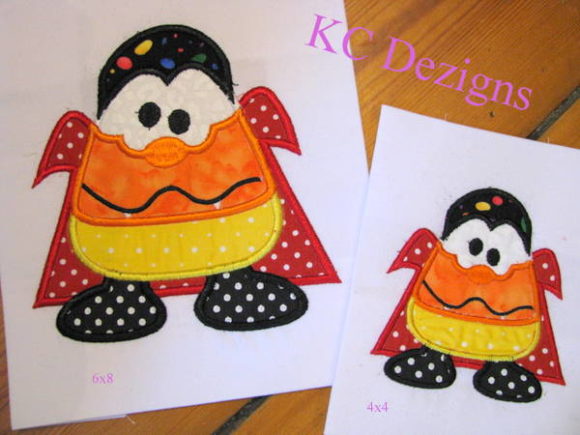
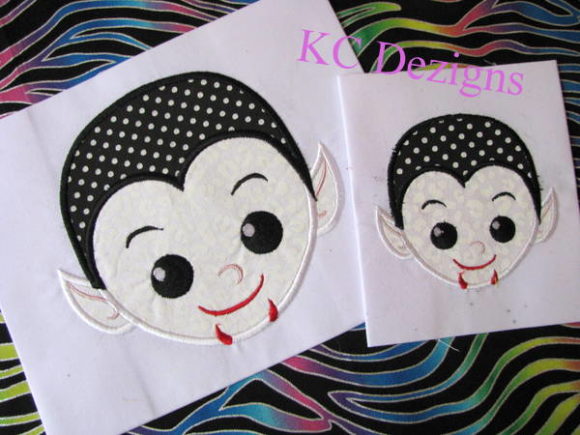
The first thing I noticed about Vampire Boy Applique is its mood. It is undeniably playful, with a slightly mischievous expression that feels more cute than creepy. The design leans into a handmade aesthetic—the kind of look that stops shoppers scrolling through Etsy listings and makes them imagine it stitched onto a little one's Halloween outfit. The detail level is well-balanced for an applique: the main shapes are bold enough to read clearly at a distance, yet there are small accents (like the cape folds and facial features) that give it personality without making the stitch count overly dense. This is important for a digital embroidery file intended for gifts, because customers often want something that feels special but also stitches out reliably. The emotional appeal is strong—it feels like a design a grandparent would choose for a baby's first Halloween, or that a parent would request for a custom onesie to share on social media. It is seasonal without being gimmicky, and that gives it staying power across multiple product categories.
Best Uses for Personalized Gift Products
After testing Vampire Boy Applique on several fabric swatches, I can see it working beautifully across a range of personalized gift applications. Here are the products where I would confidently recommend it:
- Baby embroidery: Onesies, burp cloths, and receiving blankets are natural fits. The design is small enough to center on a newborn-size bodysuit but still bold enough to stand out on a swaddle blanket. For baby embroidery, the applique adds a soft texture that feels luxurious against a baby's skin, especially when paired with minky or flannel.
- Wedding gift items: While Halloween-themed, this design works for autumn weddings if the couple embraces a seasonal vibe. Think embroidered towel sets for the newlyweds' kitchen, or a pillow cover for a cozy reading nook. The key is to use thread colors that complement the couple's palette—deep burgundy, warm gold, or charcoal gray instead of standard orange and black.
- Family keepsakes: A blanket embroidery project featuring Vampire Boy Applique could become a cherished heirloom for a child born in October. Stitched onto a fleece throw or a cotton quilt square, it offers a date-specific memory that families hold onto.
- Nursery decor: Wall art, crib sheets, and decorative pillows can all carry this design. It offers a handmade product feeling that mass-produced decor lacks, which is exactly what parents searching for unique nursery items are after.
- Custom tote bags and aprons: For craft fair products, this design on a canvas tote or a chef apron is an instant conversation starter. It makes a fantastic custom order preview item—stitch one sample, photograph it well, and let customers order their own.
- Etsy seller inventory: If you run a small shop, this design can be listed as a finished product with personalized names or dates. The applique format also allows for fabric choices (think plaid or polka dot for the cape), which adds a custom feel that buyers are willing to pay more for.
Where to Use Caution with This Design
No design is perfect for every surface, and Vampire Boy Applique has some limitations I want to flag for fellow embroiderers. Based on my test stitches, pay attention to these scenarios:
- Small lettering and delicate details: The facial elements—the eyes and mouth—are small enough that they could lose definition on highly textured fabrics like fleece or thick terry. I recommend testing on a scrap first to ensure the details don't get swallowed by the pile.
- Thick towels and stretchy baby clothes: Both of these substrates can distort the applique shape if not stabilized properly. For an embroidered towel, use a cutaway stabilizer and a temporary spray adhesive to keep everything flat. For stretchy knits, a layer of tear-away or wash-away stabilizer on top will prevent the fabric from puckering.
- Curved surfaces: If you are stitching onto a baby bib or a bodysuit, the curved neckline or armholes can cause the design to shift. Hooping with the fabric grain and using a gentle touch when framing the hoop can mitigate this.
- Dark fabric: The applique relies on contrast. On black or very dark navy fabric, you may need to audition thread colors that pop—consider a bright white or a metallic silver for the fangs and eyes. Always create light and dark fabric mockups before committing to a batch of orders.
- Products needing frequent washing: Applique edges can fray over time if not stitched with sufficient density. Review the stitch density in your software before stitching; if the satin stitches around the cape or head appear loose, consider adding a second pass or using a fusible webbing to tack the fabric edges down.
How Vampire Boy Applique Enhances Giftability
From a business perspective, this design offers solid potential for increasing perceived value and customer trust. When a shopper sees a custom embroidery item like a Vampire Boy Applique blanket, they immediately associate it with quality—especially if you photograph it well with printable mockup tools that show the design on actual products. The emotional connection is strong: a Halloween gift that is clearly handmade feels more thoughtful than a store-bought costume accessory. For buyer engagement, this design photographs beautifully. The applique layers create shadows and dimension that flat embroidery sometimes lacks, making your product shots stand out in search results. I have found that designs like this one generate higher click-through rates on Etsy because they look like something a real child would wear or use, not just a generic holiday graphic. For commercial embroidery sellers, having a tested, reliable design in your library means you can confidently offer it as a custom order preview without worrying about stitching issues during production.
Practical Embroidery Notes Before You Stitch
Before you load this embroidery file into your machine and start stitching for customers, I recommend a short checklist based on my own testing process:
- Test on scrap fabric first: Use the exact fabric type you plan to sell (cotton, fleece, linen, etc.) and run a full stitch-out. Check the applique seam allowances—they should be wide enough to catch the fabric edge securely but not so wide that they look bulky.
- Check thread color contrast: The design comes with suggested colors, but try swapping the main applique fabric for something unexpected, like a metallic or patterned fabric. The thread colors in the file are a starting point, not a rule.
- Confirm hoop size: Make sure the design fits within your hoop before you promise a layout to a customer. If you are using a smaller hoop, check whether the design can be resized without distorting the satin stitches.
- Review stitch density: Open the file in your embroidery software and look at the density of the applique tack-down and cover stitches. If it feels too light, add a second layer or reduce the stitch length slightly.
- Use proper stabilizer: For most woven fabrics, a medium-weight cutaway stabilizer is my go-to. For knits, add a layer of tear-away on top. Always adjust based on the fabric's drape and stretch.
- Compare light and dark fabric mockups: Take a photo of the design on white fabric and one on black or dark gray fabric. This will help you advise customers on thread and fabric choices, and it gives you ready-made images for your Etsy seller listings.
- Check small details after stitching: Inspect the eyes, mouth, and any thin lines. If a detail is missing or distorted, adjust the tension or switch to a finer needle.
- Confirm commercial licensing: Before selling finished product items featuring Vampire Boy Applique, verify that your digital embroidery file license allows commercial use. Proper licensing protects your business and builds trust with your customers.
This design has earned a spot in my active rotation for Halloween projects. It stitches out dependably, looks charming on a variety of products, and appeals to the kind of customer who values handmade product quality over generic alternatives. If you are an Etsy seller or small shop owner looking for a design that balances seasonal fun with emotional warmth, Vampire Boy Applique is worth adding to your collection.